If you run a gym, you already know where the hours go. Calls, emails, bookings, billing questions and follow-ups fill the day long before anyone talks about growth. Hiring more local staff helps, but it’s expensive and slow. That’s why more gym owners are looking at offshore staffing for gyms.
This guide explains what it is, what it really costs, which roles make sense and how to get started without risk. By the end, you’ll know whether it’s the right move for your gym.
What Is Offshore Staffing for Gyms?
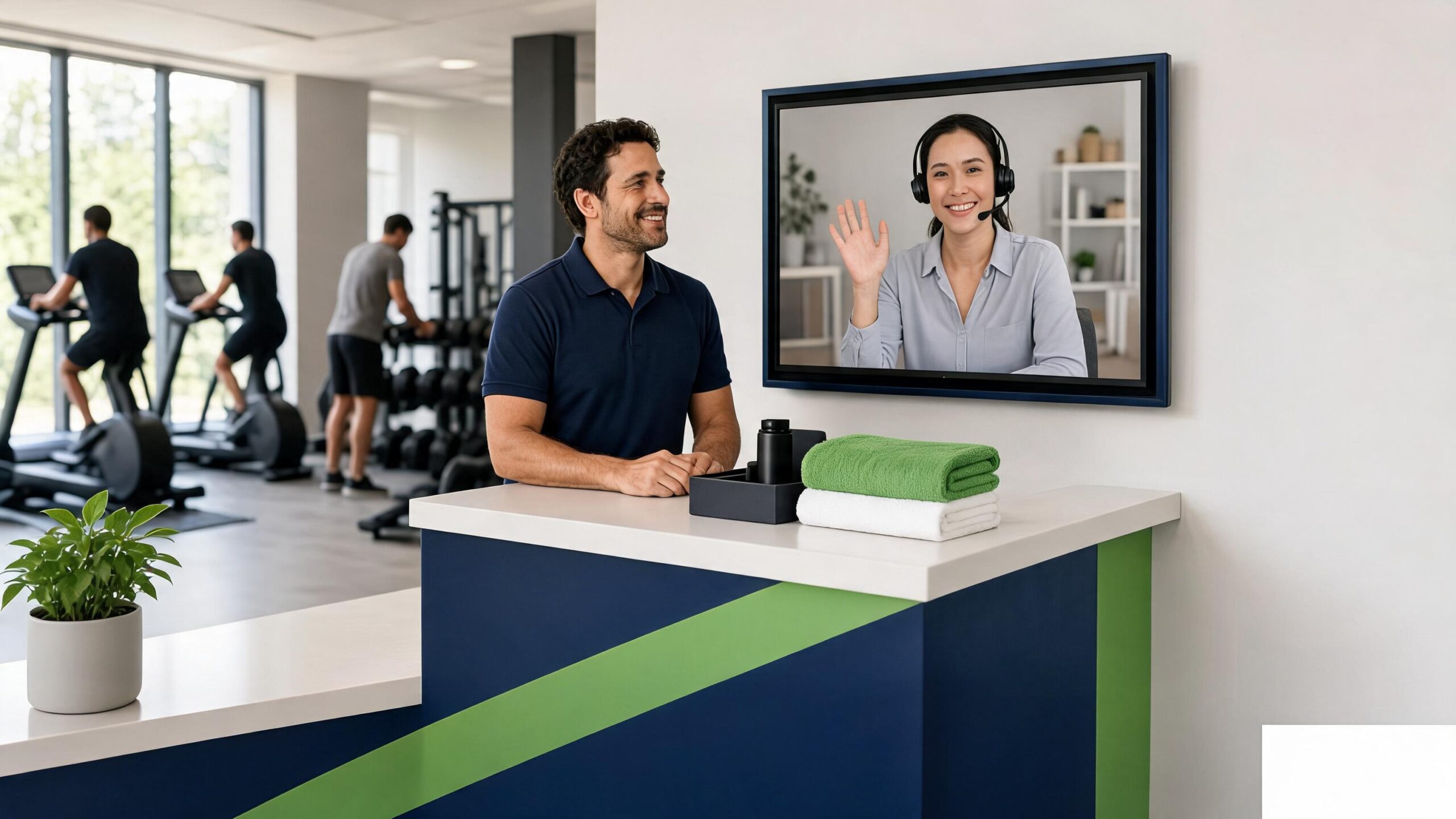
Offshore staffing means hiring full-time professionals who work remotely from another country but only for your business. They aren’t a call center shared with dozens of other companies. Instead, they join your team, use your software and follow your processes, just like an in-house hire.
The key difference is who handles the employment side. With a staffing partner, the partner takes care of recruitment, HR, payroll and equipment. Meanwhile, you manage the daily work and set the priorities.
This model works especially well for gyms because so much of the daily workload happens behind a screen. Member messages, bookings, CRM updates and billing follow-ups don’t need someone standing at the front desk.
Which Roles Can You Hire?
Most gyms start with one or two roles and add more over time. Start with the area where your team loses the most hours each week. Here are the positions that usually make the biggest impact.
Member-Facing Roles
- Member Support Specialist: answers member calls, emails, chats and texts.
- Member Retention Specialist: tracks inactive members and runs renewal and win-back follow-ups.
- Membership Sales Representative: follows up on new inquiries and books tours and trial sessions.
Marketing Roles
- Social Media & Marketing Coordinator: plans posts, replies to comments and runs promotions.
- Digital Marketing Specialist: manages approved Meta and Google ad campaigns.
- Graphic Designer & Video Editor: creates promo graphics and short workout videos.
Back-Office Roles
- Gym Operations Coordinator: handles class schedules, booking calendars and maintenance follow-ups.
- Billing & Accounts Receivable Specialist: follows up on failed payments and reconciles billing.
- Reporting & Data Analyst: tracks growth, churn and multi-location performance.
How Much Does Offshore Staffing for Gyms Cost?
This is the question every owner asks first. The honest answer is that the price depends on three things:
- The role: a data analyst or ad specialist costs more than an admin assistant.
- The hours: full-time, part-time or extended coverage across time zones.
- The team size: many partners offer better rates as your team grows.
What matters most is the comparison with local hiring. A local hire costs more than a salary. You also pay for recruiting, training, benefits, payroll taxes, equipment and turnover. With offshore staffing, most of those costs are built into one predictable monthly fee.
At Transform Targets, most clients save 50–60% compared with hiring locally. We also charge $0 in setup fees and offer a two-week free pilot. That way, you can test a role before committing.
How It Works, Step by Step
Getting started is simpler than most owners expect. A typical process looks like this:
- Discovery call: you explain your goals, tools and where your team is stretched thin.
- Role planning: together, you decide which roles to hire first and set clear goals.
- Candidate selection: you interview shortlisted candidates and choose who joins your team.
- Onboarding: your new team member learns your software, scripts and brand voice.
- Go live: work starts with daily updates and a clear point of contact.
- Review and scale: you track results each month and add roles when you’re ready.
What to Look for in a Staffing Partner
Not every provider works the same way. Before you sign, ask these questions:
- Is the employee dedicated to my gym only? Avoid shared agents who split time across clients.
- Do I interview and approve candidates? You should always choose who represents your brand.
- Will they work inside my existing systems? Good partners adapt to your gym software and CRM.
- Who handles HR, payroll and equipment? This should sit with the partner, not you.
- Is there local management?S.-based leadership makes communication and accountability much easier.
Common Concerns About Offshore Staffing for Gyms
“Will members notice?” Members notice slow replies far more than accents or time zones. A trained, dedicated employee who answers quickly often improves the member experience.
“What about time zones?” In fact, this is often an advantage. Offshore teams can cover early mornings, late evenings and weekends, when your local team is off.
“Is my member data safe?” Your team member works only inside the systems you approve, with the access levels you set.
Is Offshore Staffing for Gyms Right for You?
It’s usually a strong fit if any of these sound familiar. If two or more apply, it’s worth a conversation:
- Your front desk can’t keep up with calls, messages and follow-ups.
- Leads go cold because nobody follows up fast enough.
- Managers spend more time on admin than on members.
- You’re opening new locations and need support that scales.
Final Thoughts
Offshore staffing for gyms isn’t about replacing your team. Rather, it’s about giving your local staff the support they need to focus on members, classes and growth. With the right roles and the right partner, you get skilled, full-time help at a fraction of the cost of local hiring.
Ready to see how it could work for your gym? Explore our offshore staffing for gyms and start with a two-week free pilot.